30 Years of Innovation in Action.
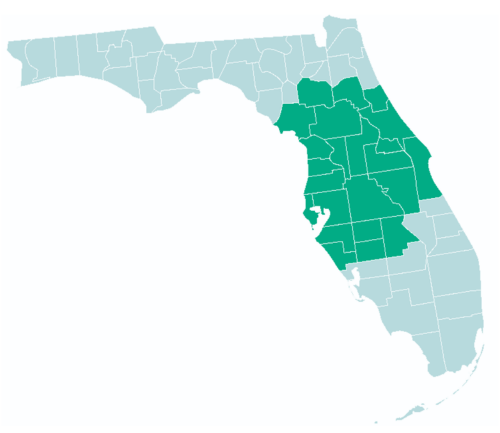
The Florida High Tech Corridor connects universities, industry and communities to drive innovation across a 23-county region, supporting research partnerships, talent development, and economic growth.
Pursuing a vision of Florida’s future since 1996.
Created through a collaboration between university leaders and industry partners, the Florida High Tech Corridor was established to strengthen the regional economy by connecting research institutions with high-tech companies and building a talent pipeline to grow and sustain a future-focused economy.
appropriation
founding meeting
Volunteer Hours, 1998-99

A legacy of people and partnerships.



Three decades
of impact.
University of Central Florida (UCF) President Dr. John Hitt and University of South Florida (USF) President Betty Castor met with CEOs and officials from 15 high-tech industries, including GTE, AT&T, Lucent Technologies, Lockheed, Harris, Oracle and Schwartz Electro-optics for the first official meeting of the “I-4 High Tech Corridor Council” advisory group.
The Florida Legislature appropriated $925,000 to formally establish the “I-4 High Tech Corridor Council,” to attract, retain, grow and support high-tech industry in the 21-county service areas of UCF and USF.

The first Articles of Incorporation for the “Florida High Tech Corridor Council Inc.” were filed, marking the organization’s evolution from the “I-4 High Tech Corridor Council.”
The Tech 4 Consortium, a group of high-tech companies and representatives from 17 community colleges, public schools, regional technical centers and School-to-Work programs, was created to help companies find and train employees. Its first "Chip Camp" in 1998 trained high school teachers to guide students in careers where microelectronics and nanotechnology might be applied.
The Tech 4 Consortium was awarded a prestigious $1.3 million National Science Foundation grant designated for the further development of activities aimed at junior high and high school students.
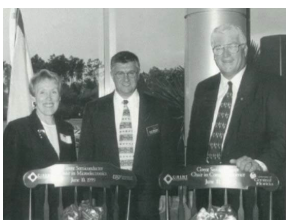
Presidents Betty Castor and John Hitt (right) accepted endowed chairs for each university from Peter Panousis, president and CEO of Cirent Semiconductor.

Inspired by The Corridor’s public-private partnership model, the Florida Legislature allocated nearly $30 million to grow the Advanced Materials Processing and Analysis Center at UCF and the nation’s first metrology lab for semiconductor research at USF.
Florida.high.tech magazine launches its premier issue to highlight the exciting stories of growth of high-tech activity across the 21-county region.
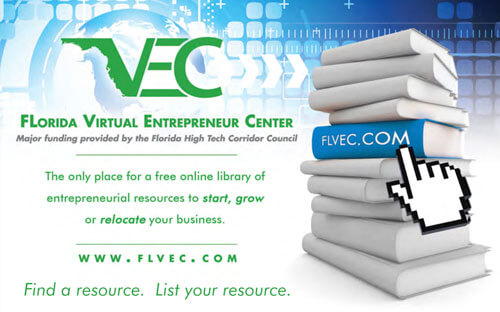
The Corridor expanded to include the University of Florida (UF) and nearby Alachua and Putnam counties, growing the initiative’s service area to 23 counties.
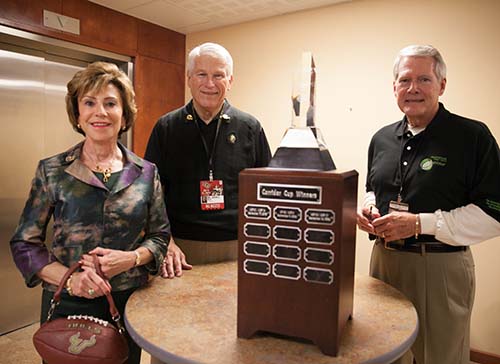
Introduced The Corridor Cup, a celebration of the on-field rivalry between football teams at UCF and USF, and their collective achievements in research and education off the field. This event continued through 2014.
The Corridor’s 10th anniversary celebration attracted 300+ attendees, including Orlando Mayor Buddy Dyer, Senator Lee Constantine and keynote speaker Dr. John Reed, CEO of The Burnham Institute. The event also recognized 14 students who received scholarships from The Corridor to pursue STEM degrees at UCF, USF and UF locations.
MGRP reached a major milestone of $150 million. The Corridor’s investment of $48 million was matched with $103 million from 250+ partnering companies, organizations, and federal agencies to fund 715 projects.
Launched the Florida Virtual Entrepreneur Center, an online portal that connects businesses with governmental and commercial services and resources.
Introduced Virtual Visits, a “free roundtrip to the Florida High Tech Corridor” at visitthecorridor.com with a virtual host to showcase business assets in the 23-county region.
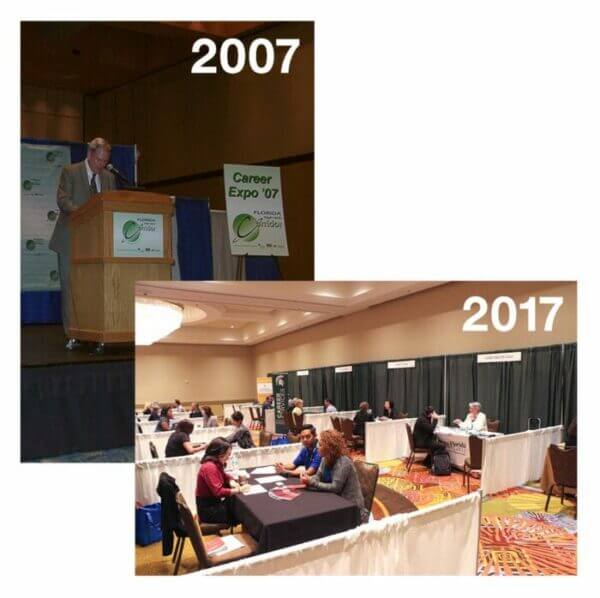
The first Career Expo united representatives from more than 50 universities nationwide with recruiters from the region’s tech companies to learn about job opportunities for their highly skilled students and graduates. Later named “Talent Forum," the successful event continued through 2019.
The International Economic Development Council recognized The Corridor’s Matching Grants Research Program (MGRP) and workforce development efforts with its top award, “Economic Development Partnerships with Higher Education.”
A partnership with CareerSource Brevard, CareerSource Central Florida and the Center for Business Excellence launched the Regional Aerospace Workforce Initiative to create job opportunities for the thousands of aerospace workers in Florida facing layoffs at the end of the Shuttle era.
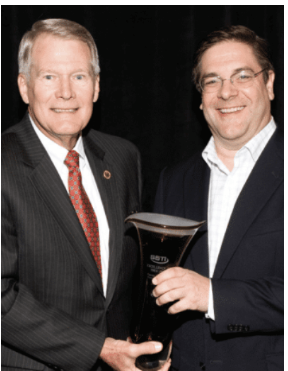
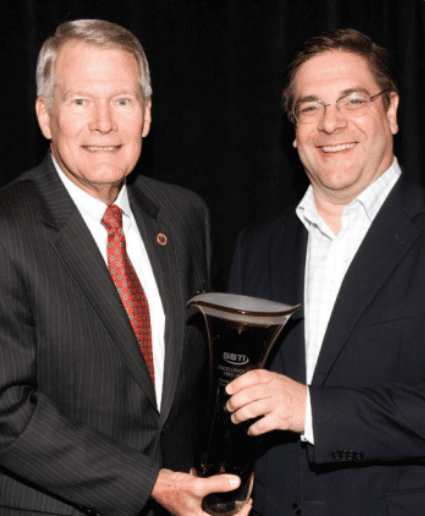
The Corridor’s MGRP was honored with the “Excellence in Technology-Based Economic Development” award by the State Science & Technology Institute. The Institute’s president, Dan Berglund, said MGRP “provides an exemplary model for states to develop ties between industries and universities.”
techPATH, The Corridor’s workforce development initiative, introduces stemCONNECT, a platform that connects classrooms to expert speakers who educate students about the applications of STEM in high-tech professions in Florida.
The Corridor and UCF joined Osceola County Government in supporting the creation of an International Consortium for Advanced Manufacturing Research and plans for the 100,000-square-foot Florida Advanced Manufacturing Research Center (now known as BRIDG – Bridging the Innovation Development Gap) in the heart of Kissimmee’s NeoCity.
Supporters included USF and UF, as well as Florida International University, defense corporations and the Department of Defense. In 2021, Skywater Technologies assumed responsibility for operation of the 200mm microelectronics fabrication facility.

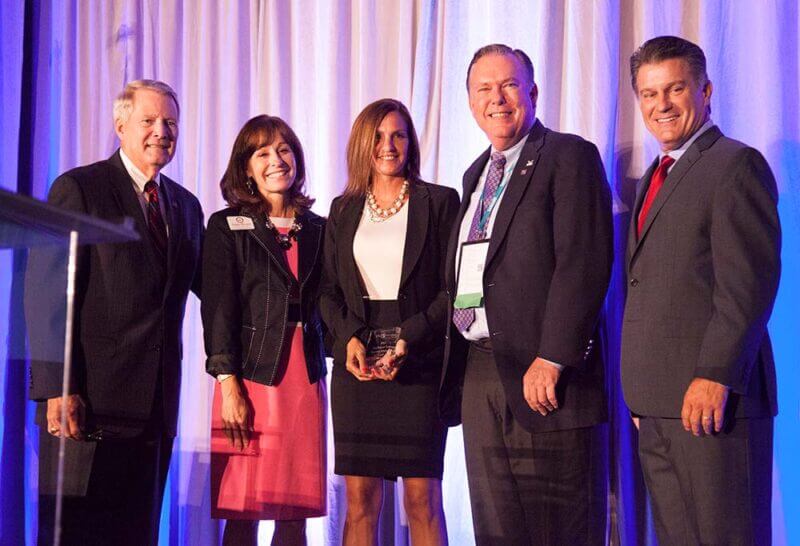
The first Dan Webster Young Innovator Scholarship was awarded to Jill Marasa. The $5,000 scholarship, sponsored by The Corridor, applies toward coursework associated with achieving the Certified Economic Developer (CEcD) designation. The award was named to honor Congressman Webster for his dedication and commitment to economic development in Florida.
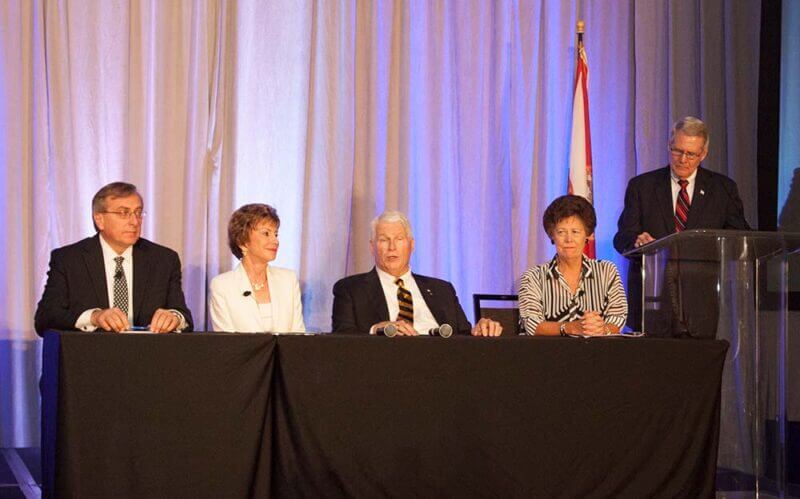
During the Florida Economic Development Council’s annual conference, presidents of The Corridor’s three founding universities joined a panel discussion marking the organization’s 20th year. Florida’s former Lt. Gov. Toni Jennings participated in the celebration, recounting her role in generating initial support for The Corridor among state legislators.
The Corridor’s three partner universities, UCF, USF and UF measured the downstream impact of applied research projects stemming from The Corridor’s signature Matching Grants Research Program at more than $1 billion over the past 20 years.
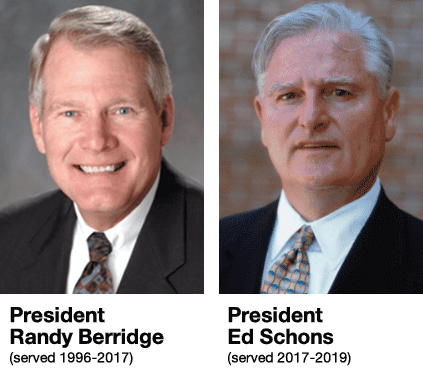
The Corridor’s Founding President Randy Berridge retired, leaving a 21-year legacy of impact on Florida’s economic development. Berridge passed the baton to Ed Schons, a longtime partner of The Corridor as an economic development leader for Duke Energy and UCF. Upon his retirement in 2019, Schons was succeeded by interim president, Roger Pynn, founder of the leading public relations firm Curley & Pynn, who went on to lead efforts to recruit a permanent leader for the organization.
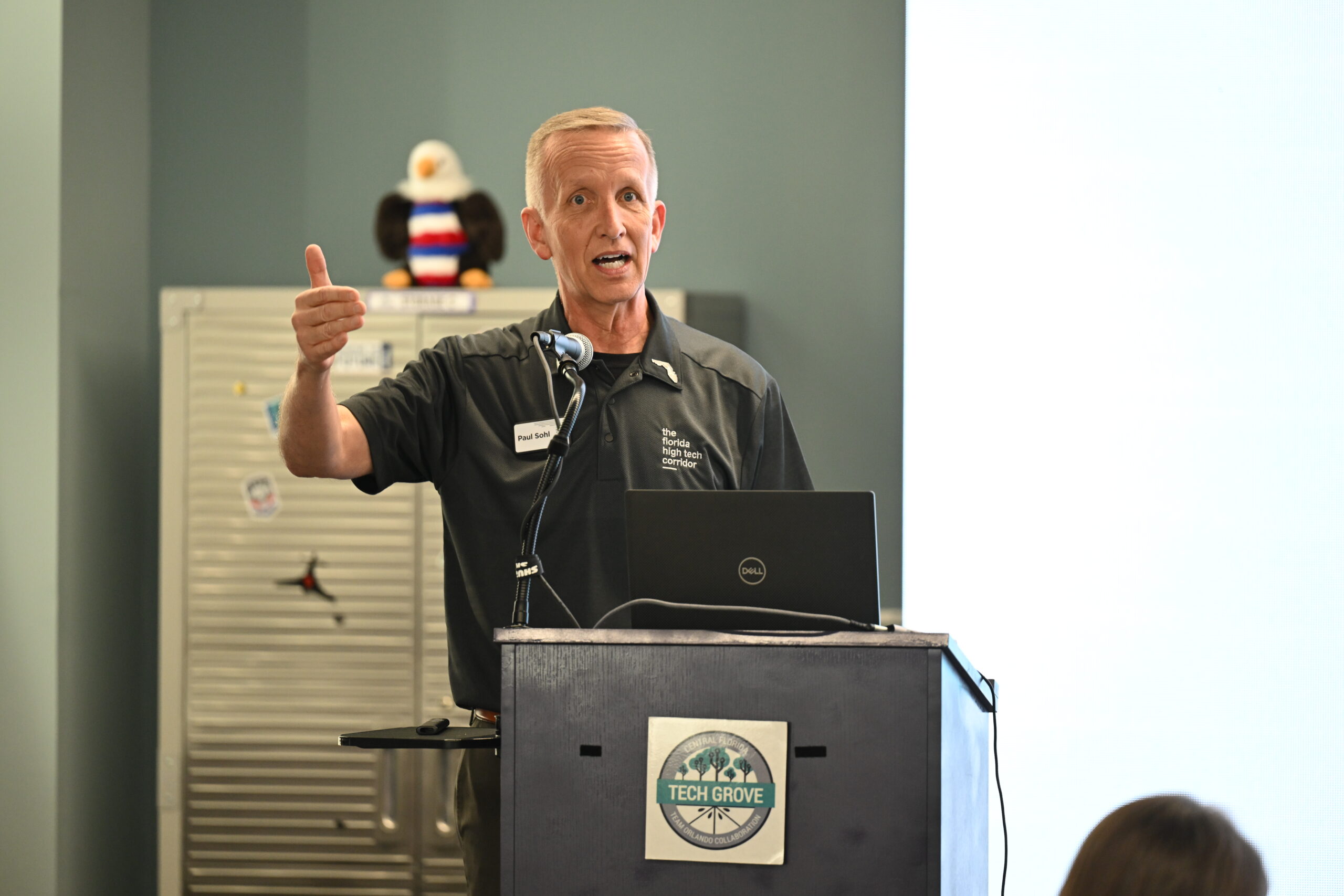
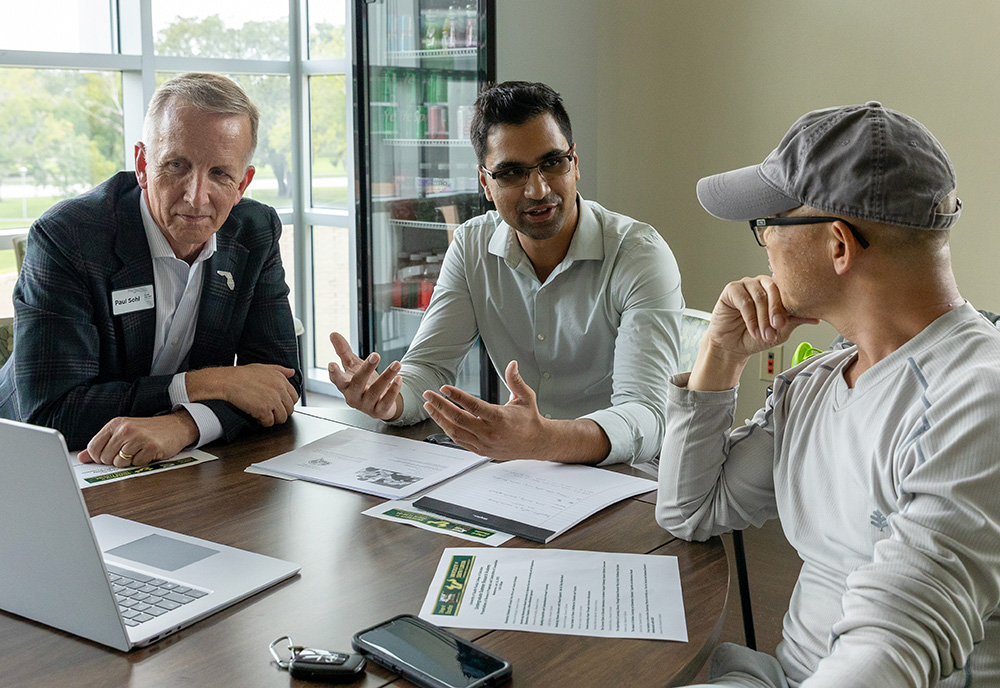
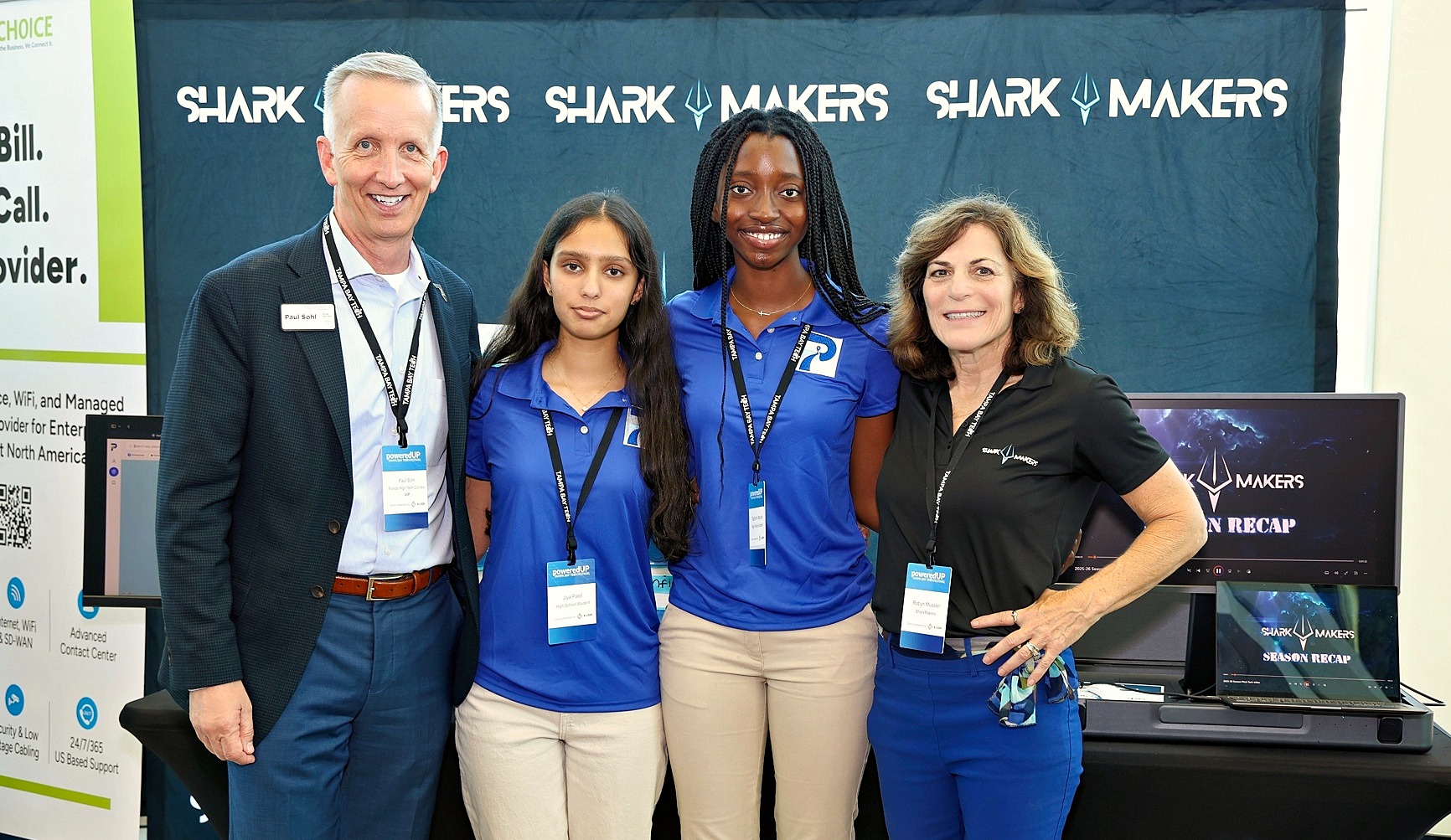
Paul Sohl, Rear Adm. USN (ret) joined The Corridor as CEO following 33 years of service in the U.S. Navy. Sohl is also founder and president of BackFin Partners, a consultancy that supports leadership and innovation at defense firms contracted by the U.S. government, and a guest lecturer at UCF on the topics of industrial engineering and engineering innovation.
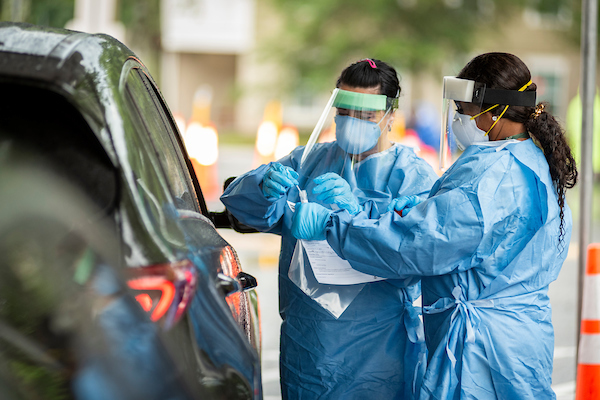
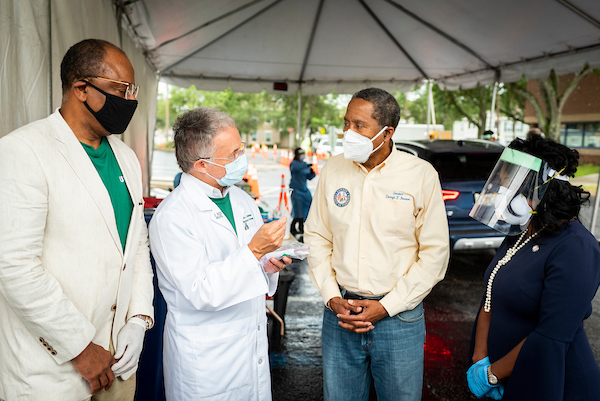
With emergency grant funding from The Corridor, researchers in the USF Pandemic Response Research Network pursued solutions to prevent spreading of COVID-19, save lives and fortify the economy. Dozens of research and development projects geared toward addressing medical and technological challenges in the COVID-19 pandemic and for use in future outbreaks were conducted alongside industry partners, underscoring the importance of public-private collaboration.
The Florida High Tech Corridor launches Cenfluence, an industry clustering initiative designed to bring a new level of connectivity and support to startups in key sectors. Originally established as the Orange County Cluster Initiative, and Cenfluence launched under its brand name in June 2021. The five clusters are: Energy + Environmental Sciences, Gaming, Entertainment + eSports, Learning Sciences + Human Performance, Life Sciences and Semiconductors.
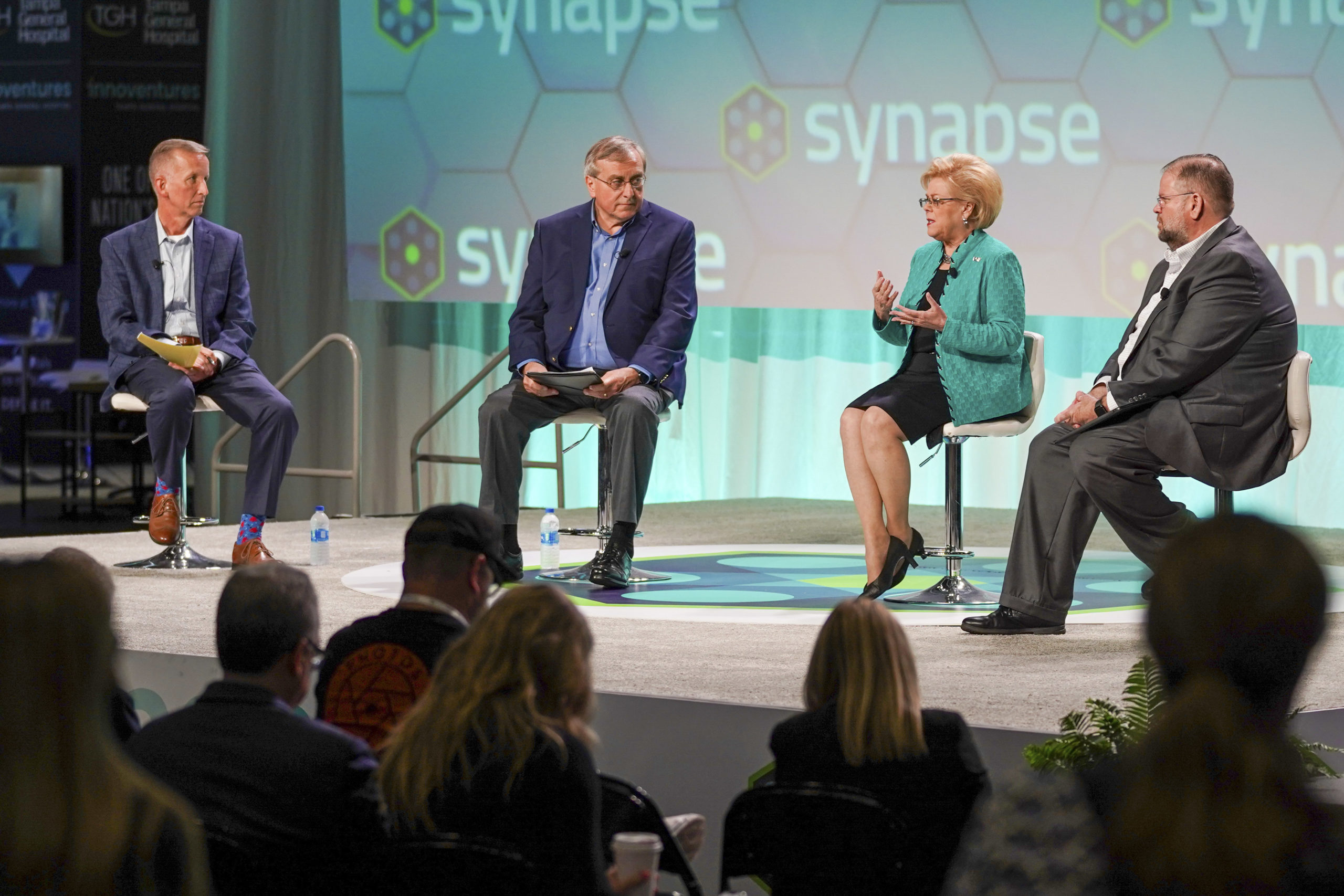
The Corridor’s CEO and the three university presidents who serve as The Corridor's co-chairs shared the stage at Synapse Summit 2022 where they celebrated a 25-year legacy of partnership and innovation, and made a commitment to “unleash the region’s potential.”
The Corridor launched Tech’s Potential, a podcast hosted by CEO Paul Sohl to amplify the stories of bold leaders, industry pioneers, respected subject-matter experts and catalysts for change. Each episode celebrated initiatives that have anchored the region and sparked its evolution over the last two decades.
State college and university student teams from Florida, Georgia, Alabama and Puerto Rico competed in the EnergyTech University Prize (EnergyTech UP) virtual event hosted in February 2022. Students were challenged to build a winning business plan around technology developed at U.S. Department of Energy laboratories, or other high-potential energy technology with commercialization potential. The Corridor was selected by the DOE to serve as one of 15 regional conveners nationwide.
stemCONNECT partnered with state colleges and universities to expand its offerings and launch a series of virtual tours for high school students, with a goal of encouraging them to consider STEM degree programs at an institution in The Corridor region.
View the PlaylistFollowing its 25th year, The Corridor launched an interactive annual report detailing the impact of its programs and investments.

The Corridor is awarded a federal grant from the U.S. Small Business Administration’s (SBA) Federal and State Technology Partnership Program to create FL FAST. The program serves as a centralized support system to help small businesses and entrepreneurs across Florida secure non-dilutive federal SBIR/STTR research and development funding.
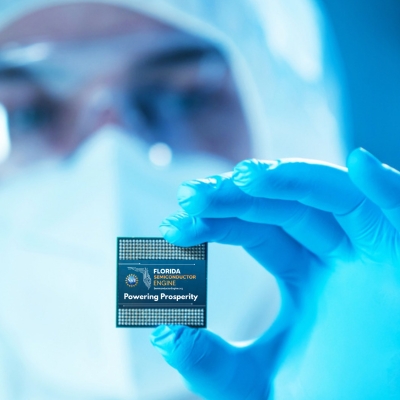
The Corridor is a member of the Florida Semiconductor Engine partnership which secures a landmark National Science Foundation Regional Innovation Engines award to advance the state's advanced chip packaging industry. Anchored at NeoCity, the initiative unites the region’s leading research universities — UF, UCF and USF — and economic organizations to build a robust chip supply chain and a skilled workforce. The coalition includes leading entities such as Osceola County, the Orlando Economic Partnership, BRIDG, Valenica College, and semiconductor companies IMEC and the Midwest Microelectronics Consortium.
Impact &
Innovation.
Future Forward Florida
The year was 1996 and the innovation age was just beginning. Visionary leaders in Florida came together in an unprecedented partnership that changed the future of the region and opened a world of possibilities.
From Foundation to Future
The history of The Corridor is rooted in a vision that our communities deserve to benefit from the technological and economic progress of the digital age. Our region has transformed over the past 30 years, yet the mission and values of The Corridor endure.
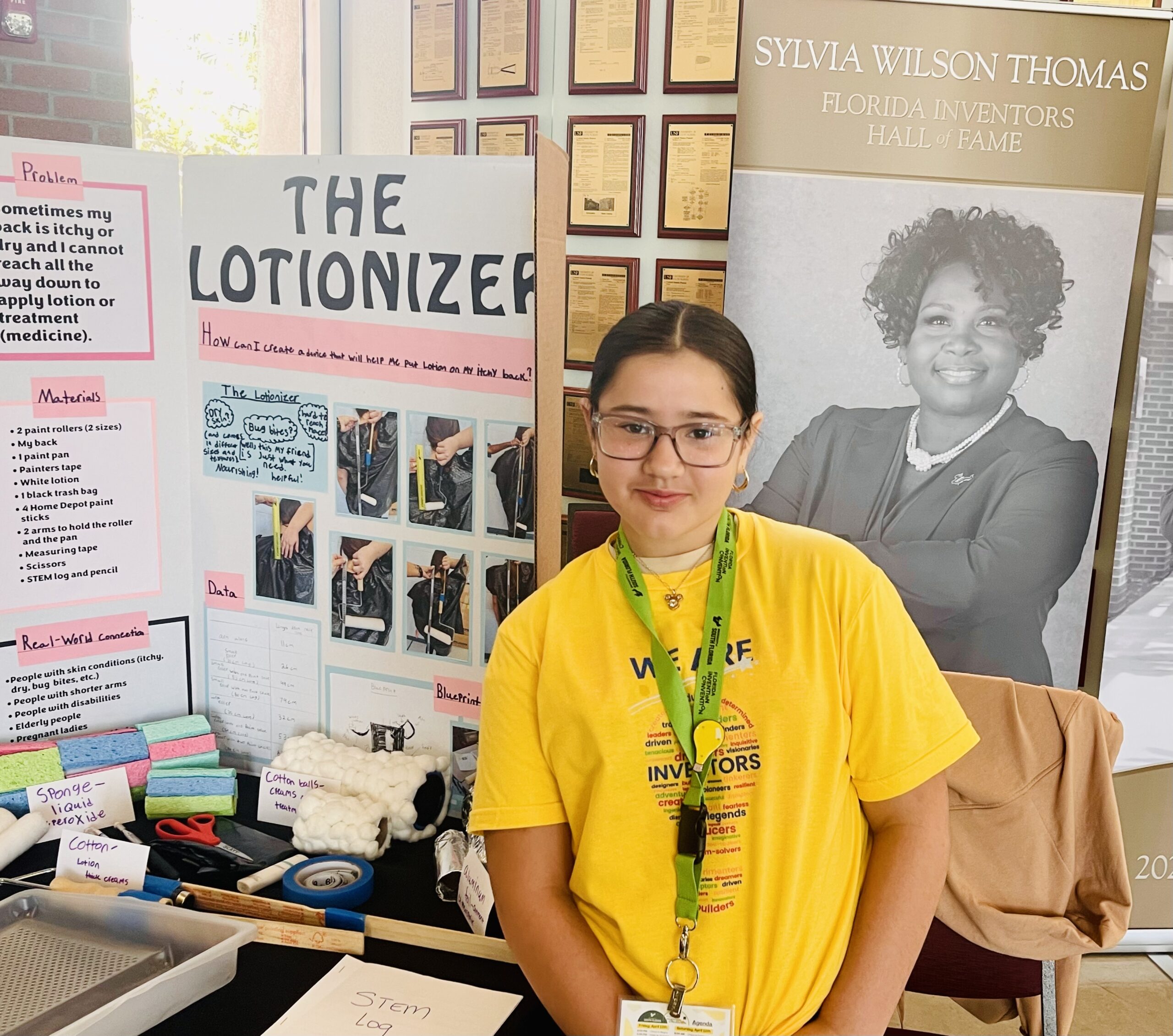
From Classrooms to Careers: How the Region Cultivates a Culture of Innovation
The Florida High Tech Corridor has made cultivating young innovators a central part of its mission. Over the past three decades it has supported youth STEM initiatives and invention education that inspire students to see themselves as problem-solvers, creators and future technology leaders.
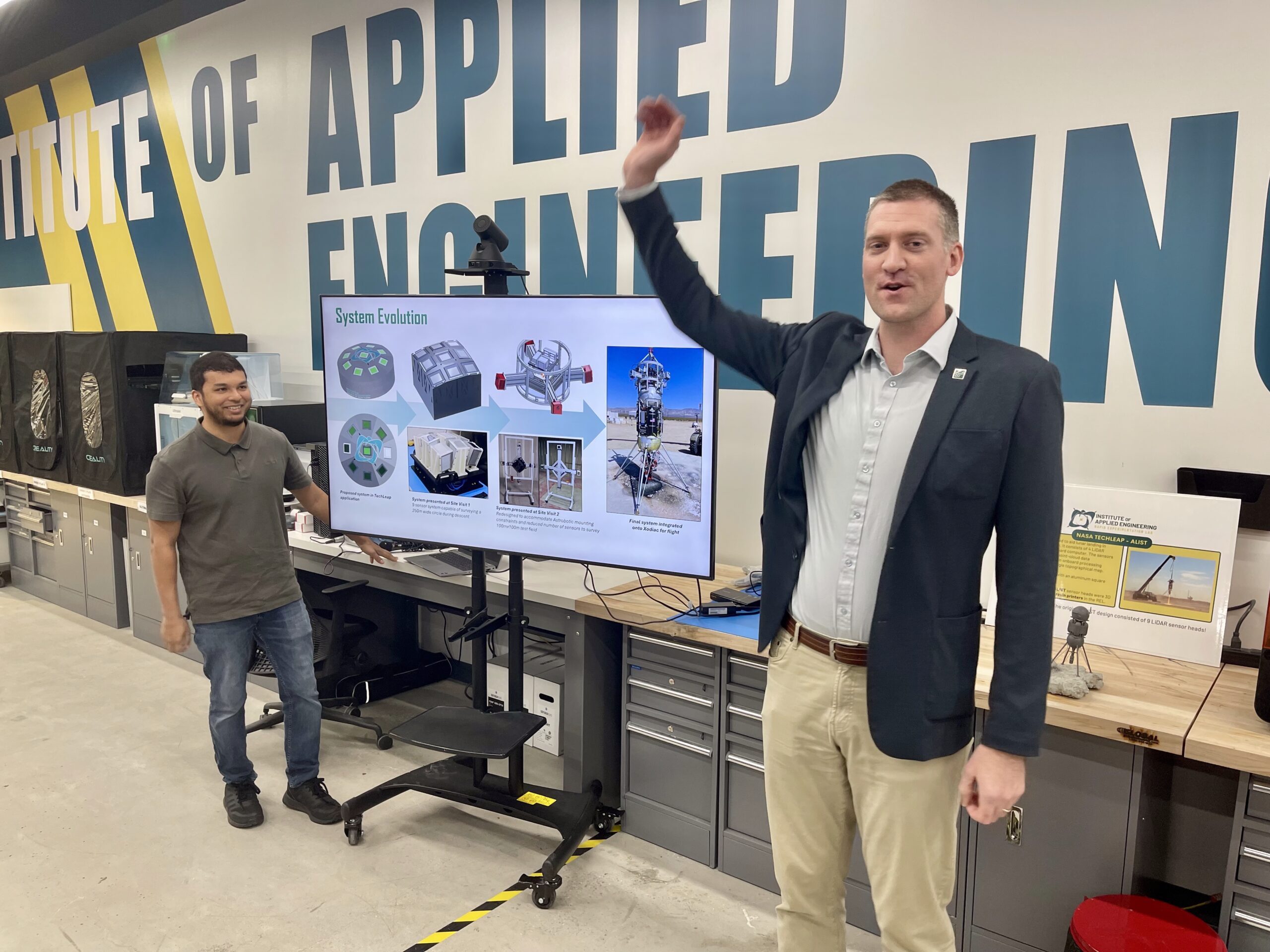
Meteoric Rise: USF’s Peter Jorgensen Launches as an Engineering Leader Through MGRP
As a USF doctoral student, space engineer Peter Jorgensen participated in Corridor Matching Grants Research Program projects. Now as a director at the Institute for Applied Engineering, he provides the same experiential learning opportunities through new MGRP partnerships.
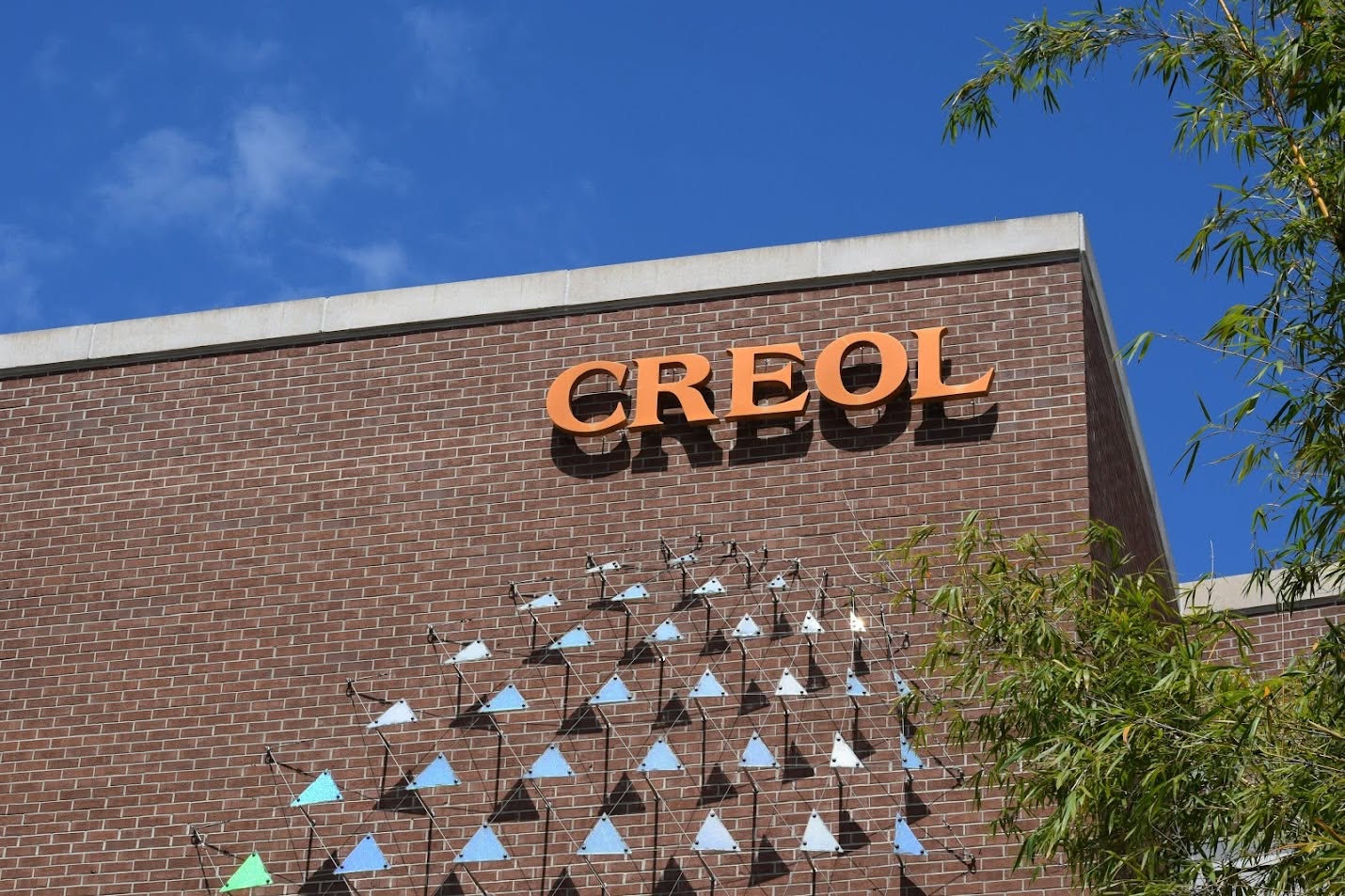
Connected by CREOL
The rise of UCF’s CREOL as a global optics and photonics powerhouse mirrors The Corridor’s. The two entities have grown together, sharing a vision of innovation, partnerships and talent development driving Florida’s economic future.
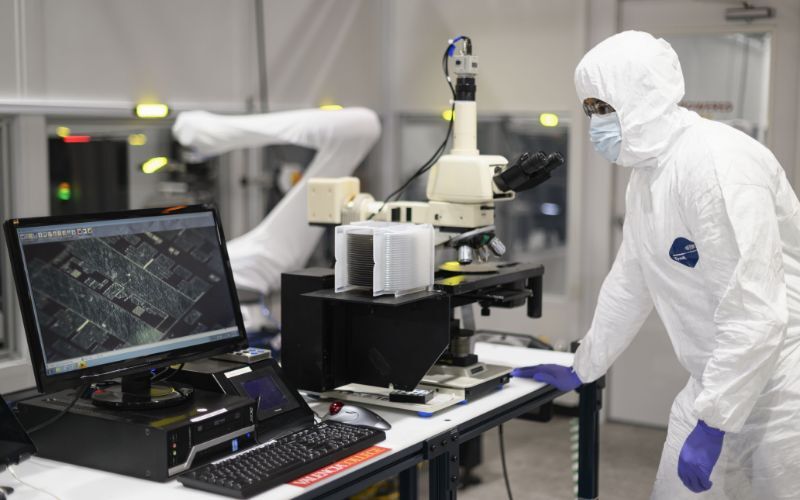
Semiconductors: The Engine to Florida’s Future
Semiconductors are at the core of modern technology, although they can be overlooked in day-to-day life; they quietly power almost everything around us, from smartphones and AI systems to satellites, defense systems, and advanced medical devices.
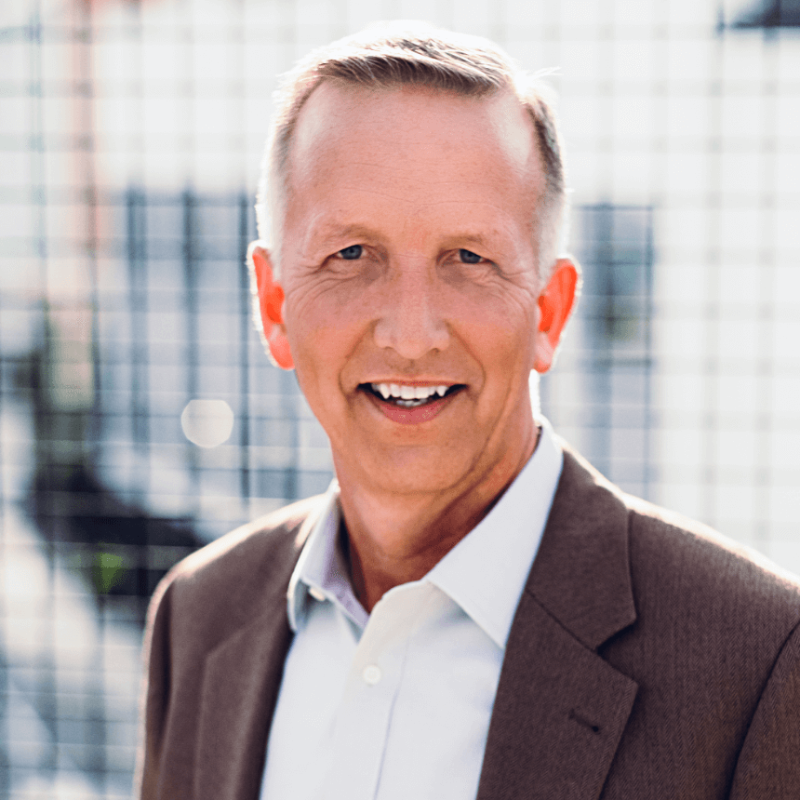
“Over the past 30 years, we have learned that the future demands bold thinking, focused investment in people and ideas, and boundary-breaking collaboration. Our region’s thriving culture of innovation is a powerful attractor for others from across the nation and around the world and is the catalyst of our future.”
23 Counties.
One Shared Vision.
The Florida High Tech Corridor connects universities, industry, and communities to drive innovation across our 23-county region. Explore how we are supporting research partnerships, talent development, and economic growth.
Explore